
Best Time to Buy a Used Car in Alberta: Get More Value
Key Takeaways
- While there’s no magic “best month,” timing your search to late winter, midsummer, and year-end can enhance your discount and negotiating power. Take advantage of the quiet months, January, February, and even July and August, where motivated dealers and sellers are the easiest to find.
- Seasonal demand impacts prices for various vehicle models and seasons, such as how sedans and 2WD cars tend to be more inexpensive in the winter. Trucks, SUVs, and AWD vehicles tend to increase and firm up before and throughout the winter months. Knowing these trends allows buyers to strategize and aim for the season that most closely suits their preferred ride.
- Alberta’s economy and resource sector cycles directly impact used car supply and pricing, particularly in oil and gas areas. Keeping an eye on local economic news, layoffs and fleet turnover times can help buyers time their purchase when there is more inventory and prices are softer.
- Dealership sales cycles combined with floorplan costs generate negotiation windows at month, quarter, and year end, particularly for long-term inventory. Buyers who come in during these times and target older stock frequently get the best prices or deals.
- Because of Alberta’s weather and geography, inspections require a little more care, particularly during winter when snow and ice can conceal damage to a vehicle. Looking at rural versus urban markets and accounting for travel expenses can broaden options and occasionally expose superior truck, SUV, or sedan bargains.
- Buyer readiness trumps perfect timing, so definitely establish a budget, get your financing squared away, research prices, and line up a pre-purchase inspection first. Using dealership tools, seasonal promotions and careful negotiation helps translate this preparation into a better deal overall.
The best time to buy a used car in Alberta mainly depends on market cycles, seasons, and local demand. Often, prices move with weather, sales goals, and supply fluctuations from trade-ins and lease returns. During colder months, some buyers postpone major purchases. Dealers might drop prices or include small extras to clear inventory. The best time to buy a used car in Alberta is influenced by tax rules, new model releases, and fuel prices. These factors affect the price of a used car and how long it remains on a lot. To untangle all these moving pieces, the following sections dissect important dates, trends, and easy tips.
Best Time to Buy
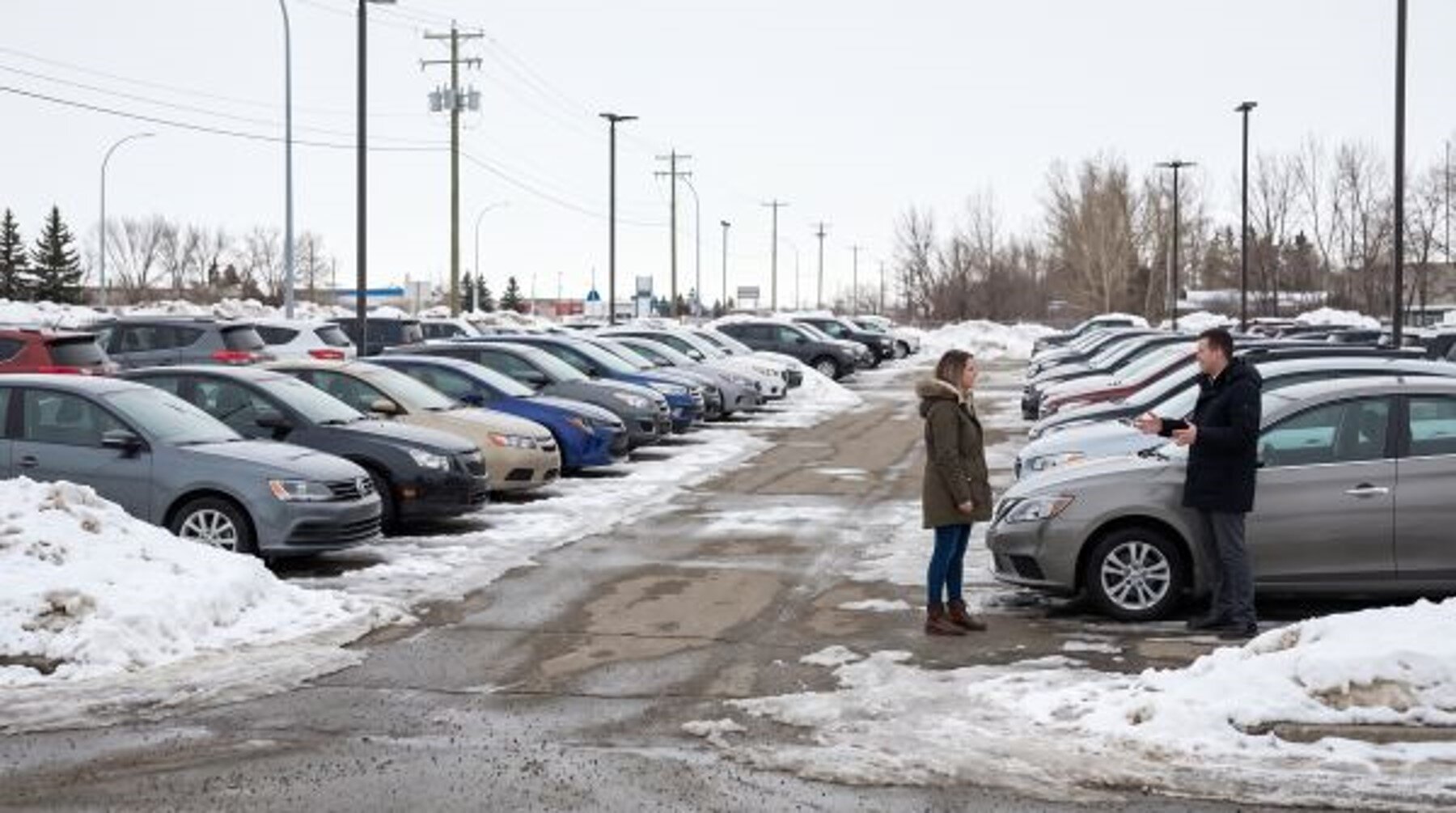
Timing’s a factor in Alberta, and no one month consistently scores the cheapest price. The goal is to align soft demand, strong inventory, and your personal budget so you can act quickly on a sweet used car or truck.
Key timing points to weigh:
- Late fall through winter (November–February) when prices often soften
- Month-end and quarter-end (last week of March, June, September, December)
- Quiet weekdays, especially Tuesday and Wednesday mornings at dealerships
- Your flexibility window of three to six months to wait for that perfect combination of price and selection.
- Seasonal push on certain body styles, such as trucks, SUVs, and all-wheel drive.
1. Late Winter
January and February in Alberta tend to be some of the softest months for used car prices, so demand is thin and dealers may discount to keep cash flowing. It’s when leftover inventory from the previous calendar year still occupies space on the lot and dealers want it out of there before new trades and new-model action amping up in spring.
If you’re hunting a used truck, January provides good leverage as dealers need to maintain high-value inventory during slow months and are more receptive to aggressive, fact-based bids. Winter weather biases demand towards AWD and SUVs, so you can occasionally push harder on sedans or non-AWD cars that feel less “winter ready” to most consumers. In oil-sector regions, keep an eye out for private sellers who post vehicles just prior to spring work or a move. They typically favor a clean, quick sale rather than stretching every last dime.
2. Spring Rebound
By March and April, tax refunds, better roads and warmer days lure more buyers to market, so prices frequently firm, particularly for trucks, SUVs and AWD that fit Alberta’s climate and road combination. Early March can still have some “winter hangover” discounts as dealers shed the final slow movers. Trade-ins and ex-fleet units start to appear in larger numbers, increasing selection and giving you more choices if you are particular about mileage, features, or service history.
3. Midsummer Lull
During July and August, most consumers are thinking about trips, not showrooms, so foot traffic dips and some lots drop prices to shift stale inventory. Sedans and previous model years that baked through spring unsold can command deeper discounts at franchises and mini-independents.
This softer summer market can benefit buyers who are willing to negotiate hard and walk away if the numbers don’t add up. Less competition works in your favor with private sellers, who might take reasonable offers instead of relisting for weeks while they’re distracted with holidays.
4. Year-End Clearance
If you can plan 3 to 6 months out, September and October in Alberta still often represent the best combination of decent selection with somewhat softer pricing, as dealers clear pre-winter used inventory and keep an eye on September-end quarterly targets. With next-year models in full swing, the so-called ‘last years’ of some popular rides could be priced to go, especially if they have been sitting on the lot since the summer.
Used prices remain soft overall from November through December, but selection tightens so you might give up some choice for a better price. Year-end clearance events or Boxing Day sales and the final week of December can combine factory or dealer bonuses on top of discounted prices, but the cream-of-the-crop models go quickly. All these months, downtime like Tuesday or Wednesday mornings allows you to conduct a focused, unhurried price talk that covers condition, total cost and financing in one sweep.
Getting pre-approved before you shop is a smart move because you know your rate and borrowing limit before discussing monthly payments. If your credit history needs improvement, taking steps to rebuild your credit before applying may help you prepare for future financing options.
Seasonal Demand Shifts
Seasonal demand shifts in Alberta affect both prices and inventory, so timing your search around weather and buyer demand can help you align your budget with the right type of vehicle.
- Winter (Nov–Feb): low demand, softer prices, moderate selection
- Summer (May–Aug): high demand, higher prices, widest selection
- Convertibles and sports cars experience weaker demand and lower prices in cold months.
- AWD/4WD: stronger demand leading into and during winter
- Sedans/2WD: lowest demand and best deals in mid-winter
- Dealerships: pre-winter clear-outs and end-of-year quota discounts
Drivetrain Demand
Demand for AWD and 4WD in Alberta jumps as fall gives way to winter, as drivers crave additional grip for snow and ice. Purchasing these vehicles late in the summer can appear enticing since inventory is robust, but prices frequently increase as dealers understand that winter is on its way. If you can, try to shop for AWD and 4WD in late spring or early summer, when weather risk seems minimal and many buyers are thinking about road trips or sporty cars instead.
Sedans and 2WD fall on the inverse curve. Between November and February, many buyers bypass them and go right to SUVs and trucks, so prices on smaller cars and front-wheel-drive sedans typically soften. You can witness the optimal combination of leverage and selection in January, when dealers replenish their inventory post-holiday, demand remains sluggish, and they’re willing to bargain to shift stale models.
Trucks and SUVs occupy the middle. Turnover tends to spike pre-winter as private sellers and dealers list vehicles in anticipation of bad weather. Dealerships might be pushing pre-winter inventory clearance with September and October promotions to make room. They then rely on end-of-year quotas in November and December, which can mean additional discounts on slow-moving trims.
Rural and northern areas of Alberta typically have higher baseline demand for 4WD and heavy-duty trucks, particularly where roads are less maintained. That can translate to even tougher prices than in the big cities, even in summer.
Weather Masking
Winter can be a hiding place. Snow, slush, and early darkness make it tougher to detect rust, paint imperfections, and minor body damage. A quick spin on icy streets might not expose brake shimmy or worn suspension. Low winter demand in Alberta can counterbalance those risks with lower prices and greater negotiating leverage, particularly between November and February.
A pro inspection minimizes hidden danger any time of year but is particularly beneficial during winter. A licensed mechanic can check underbody rust, leaks, and worn tires you might miss when the car is wet or covered in road salt.
If the inspection finds problems, take advantage as concrete bargaining chips. Negotiate for price reductions that mirror the actual repair costs, not a flat amount, and be willing to walk if the seller won’t budge. Poor weather can work in your favor: if the seller is tired of showing the car in freezing conditions, they may accept a fair, firm offer.
Rural Inventory
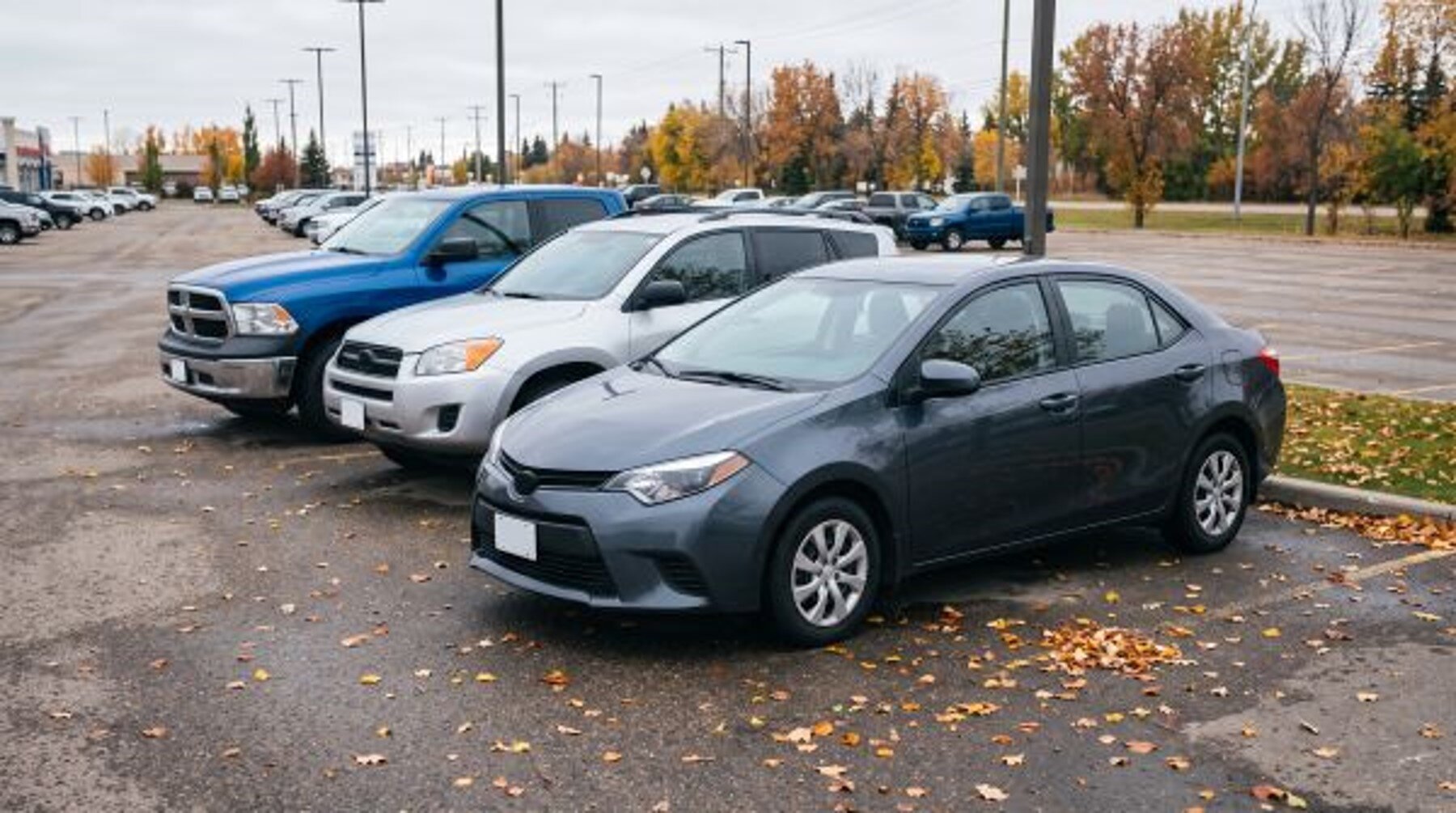
Rural and urban Alberta markets from time to time exhibit different vehicle mix and price dynamics. Rural dealerships and private sellers generally own more trucks, SUVs, and 4WD models, influenced by factors like towing or rough roads, while Calgary and Edmonton have more sedans and compact cars.
| Area type | Typical mix (sedan/SUV/truck/AWD) | Average prices | Buyer leverage |
|---|---|---|---|
| Urban | More sedans, more compact SUVs | Often lower | Higher in winter |
| Rural | More trucks, more AWD/4WD SUVs | Often higher | Higher in summer for trucks |
Going beyond a big city can expand your options. Consider gas, time, and any additional expenses if you have to come back for warranty work. Other times, a marginally higher city price still makes more sense once you add those travel expenses.
Rural vs urban listings side by side for a few weeks give a truer sense of normal pricing for the exact drivetrain and trim you want.
Alberta Market Economics
Alberta’s used car market tends to swing along with the provincial economy at large. To time a buy, you need to follow jobs, oil prices, and seasonal demand, not just dealership sales slogans.
- When the economy slows, more owners trade down or sell second rides, so used inventory increases and prices ease. In Alberta, a dip in WTI below about USD 70 per barrel is usually an early indicator of this change and within 60 to 90 days, you’ll notice more trade-ins and private listings, particularly around Calgary and Edmonton.
- During more robust times, buyers are more confident, financing approvals are simpler, and demand can outpace supply, which keeps prices up and discounts down, particularly on sought-after trucks and SUVs.
- Dealerships observe these changes meticulously and adjust stock and prices on a weekly basis. Vehicles that linger on the lot beyond 45 days tend to become more negotiable since floorplan interest and aging stock goals motivate sales managers to make room.
- Alberta drivers are contending with insurance premiums up nearly 17% year over year, which further cuts into what many folks can afford and can put purchases on the back burner. This can chill demand even when the economy appears stable.
- Seasonality further complicates all of this. January frequently emerges as the one best month to buy, with lower prices after year-end settlements, holiday burnout, and vigorous trading. More generally, November to February and September to October are typically buyer-friendly periods, with gentler prices and reduced competition.
Resource Cycles
Big energy layoffs generate quick, obvious waves in the used market. Around two months after a big layoff round, Calgary dealerships tend to experience a surge of trade-ins and voluntary repossessions, while private listings increase as families tighten their belts. That quick surge in supply can turn things into an obvious buyer’s market, where discounts expand, finance directors become more malleable, and even popular trucks or crossovers feel more negotiable. In oil price uncertainty, workers sit on cash rather than trade up cars, which further softens demand. When the sector rebounds, the opposite happens: listings thin out, incentives shrink, and prices for work-ready trucks and SUVs can move up sharply, sometimes within a single quarter.
Fleet Turnovers
Fleet cycles add another layer of timing.
Rental and corporate fleet operators often dump cars and light trucks in spring and fall, when new models hit the street and mileage shifts. This can attract dozens of like units at once, which makes dealers compete with each other more on price.
These ex-fleet vehicles are often younger, with service records and lower kilometers, so they can provide better value than a lot of private sales. You still need to compare wear on interiors, tires, brakes, and all that, but the service history is generally clearer.
Ex-fleet vehicles can offer good value when they have consistent service records and documented maintenance. Reviewing the vehicle’s fleet maintenance history can help buyers understand how regularly it was serviced and identify potential wear before making a purchase.
When a big fleet buyback hits, dealers could run targeted sales or additional finance offers to shift units. Juxtaposing those deals with private listings in the same segment allows you to visualize whether the ‘sale price’ is actual value or simply jargon.
Tax Advantage
Tax season forms timing and leverage. With many Alberta buyers getting tax refunds in March or April and throwing that lump sum down as a down payment, that can shrink monthly payments and enhance approval chances with lenders. Dealers are aware of this and tend to increase inventory and price aggressively during this time frame, particularly on slower-selling sedans and compact SUVs. Planning your purchase with sales tax in mind matters: understanding the combined GST and any local tax impact helps set a realistic out-the-door budget and avoid stretching beyond what higher insurance costs will allow. If you’re a business buyer or self-employed worker, timing a used vehicle purchase with fiscal year-end can generate deductible expenses or capital cost allowance advantages that can help absorb some of the cost and marginally increase what’s affordable without increasing risk.
Dealership Sales Targets
Dealerships in Alberta and across have fixed sales targets set by the brand and store management. Those targets sit at monthly, quarterly, and yearly levels, and they govern when staff slash prices, take lower margin, or offer add-ons. Knowing how to time your visit around these cycles can matter as much as the car you choose.
When comparing dealership offers, look beyond the advertised monthly payment and confirm the full vehicle price, including applicable dealer fees and charges. Alberta’s all-in advertised pricing rules explain which charges must be included in an advertised vehicle price and which costs may be added separately.
Month-End Quotas
Most sales teams have monthly targets for the store as a whole and each salesperson. At the front of the month, they might defend price more because they feel like they have time to make their numbers. That very same deal that costs the dealership nothing on day three can look awfully nice on day twenty-eight, when they are a few short and the clock is winding down.
As the month’s final days near, employees are frequently more amenable to steep discounts, enhanced trade-in values or bonuses like winter tires or longer test drives. They might take a lesser margin on your used car if that sale gets them to a bonus threshold on units sold. You won’t see it on the sticker, but you’ll sense it in how fast they counteroffer.
These narrow windows pull in other purchasers who recognize the cycle, so being ready pays. Have your budget, models, and financing pre-checked so you can close if the price falls where you need it. Use the time pressure openly but calmly: mention you are ready to sign that day if the numbers work and ask if meeting their month-end goal allows more room on price, interest rate, or trade-in.
Floorplan Fees
Dealerships don’t own every used car outright — many use “floorplan” finance and pay interest for cars parked there on the lot. Every additional week that car sits there, it’s a fee money-loser for them, so aging inventory becomes more of an issue the closer month-end and quarter-end get. Dealership managers monitor the days on lot for each unit, frequently applying markdowns to cars that exceed certain day thresholds to alleviate space and reduce carrying costs.
For you, this translates into cars that have been on the lot the longest can provide the best leverage. Lots of listings indicate “days on lot,” and you can cross-check that with price reductions over time. A used SUV that’s been sitting for 80 to 90 days, for instance, might be a better negotiation candidate than a coveted compact that came in last week and already garners regular walk-in attention. The higher it costs them to hold on to it, the better it makes sense to take a slimmer margin today.
As you tour the lot or shop online, listen closely to those repeat listings and cars that keep popping up in dealer ads. Ask direct but polite questions: how long has this car been here, and are there any internal pushes to move it this week? You won’t always get a direct answer, but even the hint that a unit is ‘aged’ or a ‘clear-out’ means there might be some wiggle room to request a discount, some sweet winter-ready add-ons, or a better rate when you finance here in Alberta’s chillier months.
Buyer Readiness Over Timing

Buyer readiness trumps timing. In Alberta, prices might fluctuate from month to month, but your budget, financing, and research determine whether any deal is truly good for you.
Buyer readiness over timing. Establish a firm budget with tax, fees, winter tires, insurance and a real fuel and maintenance buffer. If a car is CAD 1,500 more than a similar one, split that into the actual biweekly payment. Visualizing that difference over the term, say CAD 30 to 40 every two weeks, can indicate if waiting for a better month is worthwhile or if the gap is small enough to transition now. Getting pre-approved before you shop is a smart play for any season because you know your rate and limit before a seller begins discussing monthly payments.
Time will still frame leverage, but it’s most effective when you’re prepared. That very same car could be thousands more in April than it was in February because the warmer weather tempts more buyers into the used market. If you can cobble together a down payment without waiting for a tax return, you sidestep that stampede of money-flash buyers. When the tax refund season hits, there are a ton of folks coming in with cash in hand which can raise demand and cut down your negotiating space. If you’re pre-approved earlier, you’re not competing as much for the same cars.
Vehicle-specific trumps seasonal. Concentrate on condition, mileage, service records and accident history. A car that came on the lot three days ago typically has no urgency behind it, therefore price could be less flexible. A comparable car that has been on the lot for over sixty days is priced for haggling because the dealer is paying floor-plan interest on it every day it sits. In either case, the pre-purchase inspection by a trusted mechanic in Alberta is crucial. If the inspection reveals significant problems, bail. If it validates real worth, you can bargain from a reality standpoint. Walk in with pre-approved financing, a specific vehicle in mind, and a genuine willingness to walk, and talks generally skew your way more than the month ever will.
Before finalizing a purchase, review the vehicle’s registration and available history information. An Alberta Vehicle Information Report can provide details such as registration history, reported odometer readings, vehicle status, and liens registered in Alberta.
Strategic Purchase Solutions
Market cycles and dealer habits and your own prep all influence what you pay and how smooth the process seems.
Coasting through selection and financing at Insta Auto Solutions provides a transparent look at actual inventory and actual figures rather than speculation. Filter by body type, fuel consumption, mileage and price so you can compare a 5-year-old sedan with 80,000 km to a newer crossover with 60,000 km and see which suits your needs and wallet. Look at how long every vehicle has been on the lot. A car that’s been there 50 or 55 days is usually far more negotiable than one that just came in last week. Combine this with their finance tools to try different terms, such as 36-month versus 60-month, and see how interest rates and down payments affect the monthly cost.
A defined budget is the foundation of a savvy bargain. Put in a total spend cap that accounts for total cost of ownership, not just the sticker price. Include insurance, gas, winter tires, registration, and probable repairs in the next 12 months. Compare the total cost, in your currency, of two cars that seem ‘cheap’ at a glance. An older, gas-guzzling SUV can cost more per year than a newer compact with a marginally higher price tag but less fuel burn. Come to the table prepared to negotiate with information from market value tools and local listings. Hint at winter, from November to February, when demand in Alta is low and dealers may be more flexible. In summer, when demand is high, they may hold firm. Buy at the end of the month, and in particular September or October, when dealers are clearing out last year’s for the new model years. This gives you some added leverage for a price cut or better terms.
Dealership resources can reduce risk if you use them well. Ask for a full inspection report and review items like brakes, tires, and suspension instead of skimming a checklist. Look closely at the vehicle’s history: mileage trends, consistent service records, accident reports, and signs of harsh use. For example, a car with 120,000 km but regular, logged service can be a safer buy than one with 70,000 km and no records. Trade-in evaluations can work in your favor when timed right. Older inventory is often discounted as the next model year nears, so your trade-in plus a slower-moving unit can create space for a stronger offer. Use payment planning to see how different down payments change interest costs across the term.
Direct contact with Insta Auto Solutions ties all this together. Call to inquire which units have been on the lot the longest, what winter or end-of-month incentives are in place, and how flexible they are on vehicles that are about to age into another month of floor-plan costs. Book test drives from a short list, not a ten-car list, and compare how each one feels on real Alberta roads, including rough surfaces and colder temperatures. Use that time to talk about approval ranges, down payments, and whether it makes more sense to buy during a slow week in winter rather than on a busy weekend in summer when discounts might be lower.
Before committing to a used vehicle, consider the availability and potential cost of replacement components and ongoing repairs. Access to reliable parts and service support can be an important consideration when estimating the vehicle’s long-term ownership costs.
Conclusion
To buy a used car in Alberta at a fair price, timing helps, but prep wins. Late year and month end usually deliver more deals. Slow seasons, such as late fall or deep winter, may coerce prices a bit lower if roads remain safe enough to shop.
Real edge still sits with you. Know your price range. Get your loan arranged. Follow prices for a couple of weeks. View comprehensive history on vehicles that interest you. Walk away if it smells fishy.
Car hunt should neither be hurried nor exhausting. One step at a time, stay smart and view each offer as another data point. Let’s get started! Choose your budget, choose your location and browse three live listings now.
Frequently Asked Questions
When is generally the best time to buy a used car in Alberta?
Late fall and late winter are frequently perfect. Demand is lower and dealers may discount more to move inventory before year-end or spring. The best time is when you’re ready and when you’ve done your homework.
Do used car prices in Alberta change by season?
Yes. Prices frequently increase in spring and early summer when demand is high. They might mellow out in late fall and winter. Trucks and SUVs can hold up strong in winter because of weather and work requirements. By timing your purchase around these shifts, you can save.
How do Alberta’s market conditions affect used car pricing?
Alberta’s economy, fuel costs and resource sector activity all impact used vehicle supply and demand. When the economy sputters, more wheels could hit the pavement and prices can dip. In good economic times, prices tend to increase because of increased demand.
Do dealerships in Alberta offer better used car deals at certain times of the year
Frequent, indeed. Month-end, quarter-end and year-end can bring better deals as dealers work to hit sales targets. Holiday sales events and model-year changeovers can provide incentives or flexible financing on used inventory
Is timing more important than being financially ready to buy
Your preparedness is what counts. A rock-solid budget, pre-approved financing, and clear needs will save more money than hassling to time the market. Smart buyers could act fast when a deal popped up, regardless of the season
How can I maximize savings when buying a used car in Alberta?
Discover fair market prices, compare hundreds of listings and get pre-approved financing. Shop near month-end or during slow seasons. Be sure to ask for a vehicle history report, check out the car and haggle accordingly on condition and market value, not just sticker price.
Are there better times to buy specific vehicle types in Alberta?
Yes. Demand for 4×4 trucks and SUVs can peak in fall and winter, so prices may be firmer then. You’ll likely get better deals on them in late spring and summer. Smaller cars can be cheaper in freeze season when few buyers want them.




Fast Approval Process

1. Apply For Your Loan
Online application only takes minutes to complete. We only ask for information we require.

2.Get Approved
Your insta auto loan is processed fast with same day approvals.

3.Go For Spin
Take your car out for a drive.
Schedule Test Drive
Let's Get Started
Search Inventory
Find that perfect car, truck, crossover, suv, or minivan and have all of your car loan options made easy.
Calculate Loan
Estimate your monthly payment quick and easy with our loan calculator. That way, you’re ready to go when you get to the dealership!
Pre-Approval
Our dealer network offers low interest rates for car loan shoppers and we can often have your application accepted in minutes.
St Albert Location
Address: 4 Riel Dr Building A, St. Albert, AB T8N 3Z7
Phone: 1-780-590-0121
Mon to Fri - 9AM to 7PM
Sat - 10AM to 4PM
Sun - Closed
Edmonton Location
Address: 13055 149 St, Edmonton, AB T5L 2J7
Phone: 1-587-442-4160
Mon to Fri - 9AM to 7PM
Sat - 10AM to 4PM
Sun - Closed
Acheson Location
Address: 11327 269 St, Acheson, AB T7X 5A3
Phone: 1-587-442-4188
Mon to Fri - 9AM to 7PM
Sat - 9AM to 4PM
Sun - Closed
Spruce Grove Location
Address: 131 1 Ave E #101, Spruce Grove, Alberta, T7X 2Z8
Phone: 1-780-670-8984 ext.208
Mon to Fri - 9AM to 7PM
Sat - 9AM to 4PM
Sun - Closed
