
Car Ownership Costs in Alberta: Your Annual Budget Guide
- Key Takeaways
- Average Car Ownership Costs Alberta
- Unique Climate Cost Factors
- Geographic and Policy Impacts
- Hidden Alberta Driving Expenses
- Total Annual Ownership Budgets
- Proven Cost Reduction Strategies
- Conclusion
- Frequently Asked Questions
- How much does it really cost to own a car in Alberta per year?
- Why is car insurance so expensive in Alberta?
- How does Alberta’s winter climate increase car ownership costs?
- Are there extra driving costs in Alberta that people often forget?
- How do fuel prices in Alberta affect annual car ownership budgets?
- Can choosing the right car significantly reduce ownership costs in Alberta?
- What are the most effective ways to cut car ownership costs in Alberta?
Key Takeaways
- The cost of car ownership in Alberta is about much more than the sticker price. There’s financing, insurance, fuel, maintenance, winter tires, parking fees, and depreciation to think about. Knowing what goes into each category helps you establish a realistic yearly budget and avoid sticker shock.
- Severe winter weather in Alberta drives up operating costs via reduced fuel economy, accelerated battery degradation, rust exposure, and winter tires and block heaters. Smart drivers can be prepared by factoring in seasonal items like winter tire sets, tire changes, and rustproofing to their annual budget.
- Where you live in Alberta plays a big role in ownership costs. Urban areas tend to have more expensive insurance, parking, and fuel, while rural areas contend with more gravel damage. Checking local registration fees, parking regulations, and insurance rates helps facilitate more precise cost anticipating.
- Things like registration renewal, parking tickets, and a windshield that keeps getting cracked can make your actual cost of car ownership skyrocket. Making a checklist of these less obvious but regular expenses helps car ownership fit with household income.
- Adding your payments to insurance, fuel, maintenance, registration, parking and estimated depreciation gives an ownership budget for the year. Comparing sample budgets for different vehicle types, compact, SUV, and electric, shows which come closer to your own finances.
- Other tried and tested cost saving tips are opting for a reliable used car, which experiences slower depreciation, shopping around for insurance quotes, adhering to preventative maintenance schedules, and choosing a reasonable loan size and term. Tracking fuel consumption and driving behavior helps reduce operating costs while keeping Alberta roads safe and dependable.
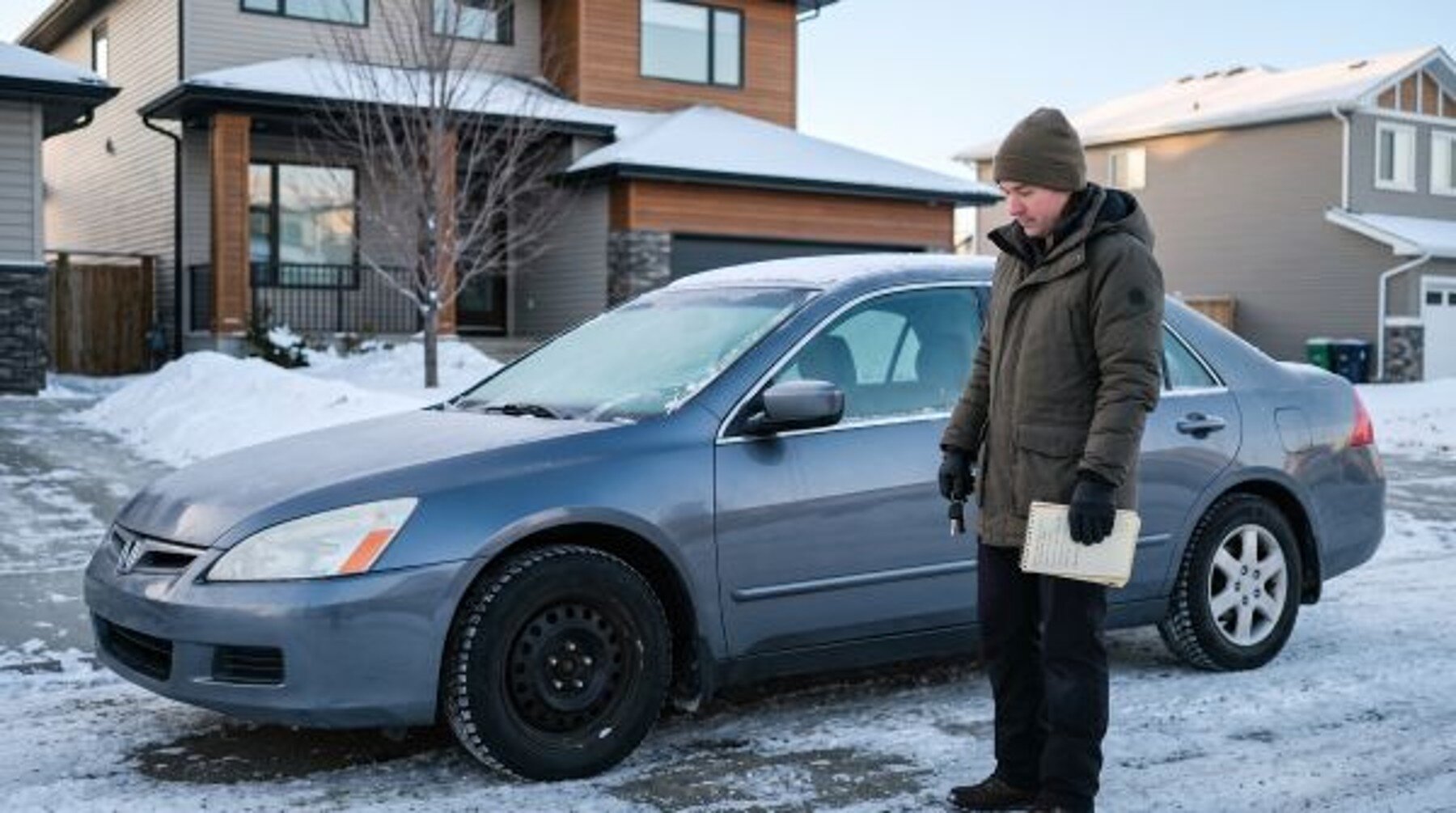
Car ownership costs in Alberta include more than just the sticker price of a vehicle, and they differ significantly by city, driving behavior, and insurance profile. Alberta motorists are no strangers to factoring in auto insurance, gas, scheduled maintenance, winter tires, registration, and loan interest if they purchased a vehicle. Costs vary with age, driving record, car type, and location – Calgary, Edmonton, or smaller towns. Most owners budget for parking, seasonal tire changes, and unforeseen repairs that can accumulate throughout a year. To get things out in the open, the following sections walk through each cost category and provide approximate price ranges and examples.
Average Car Ownership Costs Alberta

Average car ownership in Alberta now runs about CAD 1,373 per month, or approximately CAD 139,716 over a typical nine-year ownership period. That number blends every main cost: financing, insurance, fuel, maintenance, repairs, tires, registration, parking, and the loss in value over time. Understanding how each line item works helps you see beyond the sticker price and construct a budget that still fits if gas prices soar or insurance rates climb.
A simple checklist for total ownership costs in Alberta usually includes:
- Financing or lease payments
- Insurance premiums
- Fuel or charging costs
- Routine maintenance
- Repairs and tires
- Registration, licensing, and possible parking fees
- Depreciation (the drop in market value each year)
A newer used compact car with a clean record in Calgary or Airdrie could have a payment in the CAD 150 to 280 range, plus about CAD 143 to 164 per month for insurance, around CAD 120 for maintenance, plus fuel on top. With Alberta gas floating around CAD 1.35 to 1.75 per litre, fuel tends to be the wild card, particularly for long-distance commuters or highway-heavy driving.
Alberta’s tax structure does shift the picture somewhat. The province does not charge PST, so purchasers frequently save approximately CAD 1,750 to 2,500 on a standard used vehicle in comparison to the majority of other provinces that do collect PST. That up-front saving, however, sits next to long-term costs like depreciation. A used car bought for CAD 20,000 might be worth only CAD 13,000 to 15,000 five years later, depending on mileage, condition, and demand for that model.
Unique Climate Cost Factors
Alberta’s long, cold winters alter the fundamental economics of car ownership. Beyond fuel, insurance, and loan payments, the climate has its own line items on an already complicated budget.Winter Tires
Winter tires, in most parts of Alberta, are not a choice. They’re fundamental safety implements when roads stay below 7°C, and ice and packed snow are common for multiple months. A lot of insurers anticipate appropriate winter tires, and a few will outright refuse or lower claims if a crash is associated with unsafe tire selections.Depending on their size and brand, a complete set of winter tires can cost the same as several months of petroleum. In addition to that, there is the continuous cost of swapping them out twice a year, along with wheel balancing. If you drive roughly 20,000 km per year, that seasonal rotation does help distribute tire wear a bit more, but it does not eliminate the labor overhead.
In certain instances, appropriate winter tires can decrease insurance rates or at least decrease the likelihood of at-fault accidents, which keeps rates from increasing. Tire storage is another minor but legitimate cost. If you live in an apartment or otherwise don’t have a garage, lots of shops charge per season to store your offseason set.
Thermal Wear
Sub-zero weather puts a stress on just about every component of a car — from the 12-volt battery to engine seals and fluids. Cold starts cause thicker oil, weaker battery output and increased risk of no-starts on very cold mornings. That translates into more jump starts, tows, and service calls if maintenance lags.More frequent oil changes with synthetic oil, along with regular battery tests, help decrease the likelihood of a breakdown when the temperature falls quickly. Block heaters that warm the engine prior to start-up consume electricity but reduce fuel consumption, ease cold starts and reduce friction on internal engine components. The climate also links back to fuel costs. Cold engines burn more fuel and global events such as war or hurricanes that shut in crude oil production can push prices up even as short-term trends show declines. Over the last year, diesel prices in North America have increased anywhere from almost 60 to 70 percent at some points, and Canadian drivers have witnessed monthly fuel costs shift from approximately 165 to approximately 231 in just a few months, despite fluctuations such as a 14 percent decline in a recent three-month average or temporary federal fuel tax subsidies. These climate and policy driven shifts bleed into long run operating costs and even into how well specific models retain value over different ownership horizons.
Regular servicing can help catch developing problems before they turn into more expensive repairs, so it’s worth including routine maintenance in your annual vehicle budget. Review parts and service options when planning for the ongoing cost of keeping your car road-ready.
Rust Prevention
Alberta’s road salt, gravel, and moisture increase the rust risk on frames, brake lines, and body panels. This isn’t just a pretty business. Structural rust can shorten the lifespan of your vehicle and impact safety and resale.Rust prevention adds its own line of cost. A lot of owners pay for undercoating, cavity wax or electronic rust control systems, along with more frequent and costly car washes, complete with underbody rinses after storms or extended highway jaunts. If you average 20,000 km per year, missing these steps in a salted region can accelerate corrosion so much that you end up needing bodywork or component replacement years sooner than in a dry, temperate climate.
Those services and washes need to be incorporated into the annual budget, together with the additional winter maintenance. Neglecting rust might appear to be less expensive initially, but it usually manifests itself down the road as decreased trade-in values, inflated repair expenses, or an earlier-than-expected car replacement.
Because rust, mileage, and overall condition can affect what a vehicle is worth when you replace it, estimating its resale value is an important part of long-term ownership planning. Explore vehicle trade-in value options when considering the potential value of your current vehicle.
Geographic and Policy Impacts
Alberta’s car-ownership costs vary significantly depending on your location and policy environment. Location, taxes, and policy changes all factor into what you pay annually, even if you drive the same car the same distance.Urban drivers in Calgary and Edmonton tend to have higher rates of insurance as there are more crashes, thefts, and claims. Rural drivers may pay less for insurance, but they drive further, so fuel and wear-and-tear accumulate more quickly. Repair shops and tire dealers are more densely located in cities, which can translate into more options and a little bit of price competition. In smaller towns, you might have fewer providers and longer waits, but lower labor overhead in certain instances. For a lot of owners, it’s this trade-off between lower premiums and higher use that defines their ultimate annual cost.
Location within Alberta can change several cost lines:
- Insurance risk is higher in dense urban zones than in remote areas.
- Fuel spend: Lower trip lengths in cities lead to higher daily distances in rural areas.
- Service access: More shops and brands are in big centers and fewer are in small towns.
- Parking: Paid street and lot parking in downtown cores is often free at rural workplaces and homes.
Policy changes can shift costs even if your driving habits remain constant. On fuel, the Government of Canada’s temporary suspension of the federal fuel excise tax on gasoline from April 20 to September 7, 2026, will reduce gas prices by approximately CAD 0.10 per litre for regular gas and CAD 0.04 per liter for diesel. With the national average at CAD 1.749 per liter as of 15 April 2026, that can leave a noticeable gap in monthly fuel bills for Alberta commuters who cover long distances. Meanwhile, Alberta recently headed the list with car ownership cost increases of approximately 12.7 percent, fueled in part by rising insurance and maintenance fees. The cost of ownership has crept up versus 2025, albeit still below 2024’s highs, demonstrating how rapidly these inputs can shift.
Emissions standards and insurance requirements in other provinces provide a handy benchmark. Ontario, for instance, scrapped emissions testing for older cars as of April 1, 2019, eliminating a periodic cost and influencing the lifespan some motorists maintain for aging vehicles. If Alberta were to toughen emissions standards down the road, owners of older or big-engine cars could encounter new inspection or upgrade expenses. Insurance regulations matter: changes to claim rules or payout limits can push premiums up or down across the province, even if your own record does not change.
Beyond location and policy, general economic forces overlay. With climbing interest rates, auto loan costs go up across Canada, and more expensive monthly payments strike Alberta drivers just as vehicle prices climb. New cars that sold for around CAD 30,000 in 2019 now commonly start closer to CAD 40,000 or higher. For many owners in Alberta, all of this means the ‘fixed’ cost of owning a car is more fluid than it appears on paper.
Hidden Alberta Driving Expenses

Car ownership in Alberta has hidden expenses that aren’t listed on the sticker price. Most drivers budget for fuel, insurance, and loan payments but miss out on smaller, irregular expenses that still impact the bank account annually. Alberta’s fuel use is around 20,000 kilometers per year and nearly 132 liters per month. Insurance costs CAD 150 to 280 per month, and standard maintenance ranges from CAD 1,000 to 2,500 per year. These expenses already add up, with one long-term estimate coming out to CAD 139,716 for nine years of ownership. In addition, gas prices fluctuate between approximately CAD 1.35 and 1.75 per liter. Winter tires are a one-time but genuine expense, and some Calgary motorists encounter increased insurance rates following multiple years of increases. Hidden fees stack on top of these core pieces, so they have a place in the annual plan, even if Alberta’s no-PST rules might save CAD 1,750 to 2,500 on a used car purchase versus most other provinces.
A simple checklist many owners use includes:
- Annual registration renewal and plate fees
- Parking at home, work, schools, and events
- Parking tickets and towing charges
- Windshield chip and crack repair
- Seasonal tire change and storage. Missing even one of these can tip a tight monthly budget over the edge.
Registration Fees
In Alberta, yearly vehicle registration is required and the cost varies by vehicle class and weight, so a compact car and a heavy pickup don’t pay the same. License plate renewals, replacement plates and any other provincial fees belong in the same annual bucket as insurance, fuel and servicing.Late registration can mean penalties or ticketing if you’re stopped, which turns a routine cost into a bigger, unexpected whack. Rules and fee tables do change, so the most reliable step is to check the current schedule directly on the Alberta government website once a year and update your budget.
Since registration requirements and fees can change, check the Government of Alberta’s official vehicle registration renewal information when updating your annual budget.
Parking Tariffs
Parking in inhabited areas, particularly Calgary and Edmonton, may push the actual price of even a small car. A downtown office worker with a monthly stall, an apartment dweller who rents a heated indoor spot, and a student who invests in a campus pass may all pay more for parking than they do for certain maintenance items.It helps to total all parking charges for a normal year: a monthly pass near the office, paid evening parking near sports arenas, daily hospital or clinic lots, plus irregular fees near airports or tourist sites. Tickets, late payments and towing add another layer, turning a CAD 40 violation into a far larger bill once admin and collection fees land, so these should be tracked like any other expense.
Some owners reduce these expenses by incorporating transit on heavy days, carpooling into core areas, or selecting accommodations and offices that provide parking in rent or salary packages. This can cushion the entire annual invoice.
Windshield Damage
Alberta’s combination of gravel roads, construction zones, and winter sand and salt means windshield chips and cracks are prevalent, even for cautious drivers. Long highway drives between cities exacerbate exposure. A little chip repair might be an inexpensive one-time fee, but total glass replacement can be a lot and not every insurance policy covers the full amount every time.Driving with a cracked windshield is more than a cosmetic problem. It can impair visibility, compromise the glass in an accident, and in certain instances cause tickets if the damage obscures the driver’s vision. Many owners add or modify comprehensive coverage so glass repair or replacement has a known deductible. They then put that much aside each year, which transforms a break into a budgeted line item.
Total Annual Ownership Budgets
Total cost in Alberta derives from many small and some large items that add up over time. A year’s budget is better than guessing month to month because some expenses recur frequently and others come down the line sparingly.Start with the base list of yearly costs: loan or lease payments, insurance, fuel, maintenance and repairs, registration and licenses, parking, and depreciation. In Canada, the average car ownership cost is around CAD 5,497 per year, an increase of around 9% from last year, largely due to increased insurance and maintenance costs. Over the course of nine years, a typical ownership period, a lot of drivers shell out approximately CAD 139,716 in all, so thinking long-term counts more than the sticker price.
To create your own annual budget, sum all monthly items and then add the once-a-year fees. For payments, use the loan or lease bill per month multiplied by 12. Do the same for insurance, since the annual cost of auto insurance has increased by around CAD 252 and continues to rise. Fuel frequently follows. The average driver might spend CAD 231 per month on fuel, a drastic increase from the previous estimate of CAD 165. Fuel turns out to be the second-biggest expense, roughly 24 percent of the total over five years on average. Incorporate a reasonable maintenance and repairs line, because used cars and brutal winters will drive those up.
In Alberta you renew your driver’s license and vehicle registration. All over Canada license renewal is near CAD 100 per year, and registration adds on. Include parking if you pay at home, at work or in city centers. To complete the budget, add depreciation. Many owners overlook it, but it’s baked into the actual monthly cost, which tends to hover around CAD 1,373 when you mix in the sticker price, loan conditions, petrol, insurance, and maintenance.
| Vehicle type | Est. annual total (CAD) | Notes |
| Compact gas | 5,500–6,500 | Lower fuel, lower insurance, slower depreciation |
| Midsize SUV | 7,000–8,500 | Higher fuel, higher insurance, faster depreciation |
| Electric | 6,000–7,500 | Higher purchase, lower “fuel,” moderate insurance |
To maintain your course, budget a constant sum each month for the known and unknown. Scheduled dollars for tires, unexpected repairs, and rate increases cut the tension when those invoices arrive.
When calculating the full cost of owning a vehicle, remember to include maintenance, repairs, insurance, fuel, and parking—not just the purchase price. The Government of Canada’s vehicle-buying and ownership-cost guide,h
Proven Cost Reduction Strategies

Car ownership in Alberta totals up over time, so every decision around the vehicle, the financing, and the day-to-day use requires a long approach. With a nine-year ownership period running up to around $140,000 once you add fuel, insurance, maintenance, taxes, and depreciation, small savings in each category add up.
By selecting a dependable used car, you eliminate the largest expense factor, which is depreciation. A new car depreciates quickly in the first couple of years, and that depreciation is cash you’ll never see again. When you buy a car that is 3 to 5 years old with 40,000 to 80,000 km, the steepest part of that curve is already behind it, while the car still has a lot of useful life left. A compact sedan with a proven history, for instance, can cost significantly less than an SUV or truck over time, even if the initial sticker price difference appears minor. Over five years, a bigger vehicle can actually end up costing $40,000 to $65,000 more than an economy sedan when you include higher fuel, insurance, and tax, so that ‘nice to have’ size or style has to be balanced against that additional expense. The cash tied up in a pricier car also has an opportunity cost since that money could be making returns elsewhere while the car’s value depreciates each year.
Insurance is another area where like-for-like options can vary greatly. Even if you buy two vehicles for the same amount, they can still differ by $50 to $150 per month in premiums based on repair costs, safety ratings, theft, or performance. Over 5 years, that gap accumulates to around $3,600 to $10,800. A little shopping around, comparing policies, deductibles, and coverage levels from multiple insurers, and inquiring about how particular models and trim levels factor into the quote can slash ongoing costs without slashing necessary coverage.
Operating expenses are amenable to consistent behaviors. A fuel-efficient compact sedan driven 1,000 kilometers per month at $1.50 per liter might cost about $127 per month in fuel, where anything heavier or more powerful can easily double that. Easy things like gentle acceleration, reduced highway speeds, and light loads all contribute. So does adhering to the maker’s maintenance schedule. Timely oil changes, fluid checks, tire rotation, and brake service save huge repairs down the road. For some owners, hybrids or electrics can reduce long-term fuel and maintenance costs even further, particularly for higher annual mileage, though local power rates, charging availability, and sale prices all need to be factored in.
Financing decisions affect both monthly strain and overall cost. Less debt, backed by a cheap car or a bigger down payment, reduces interest and opens up more flexible spending in the monthly budget for gas, maintenance, and savings. We’ve all heard that making the payments go over more years makes each installment lower, but it increases the interest you pay and how long you hold a debt on a depreciating asset. When you’re planning a five, seven, or ten-year horizon, the trick is to select a term where you can pay off the car at a rate that aligns with your income, won’t need to refinance, and won’t count on future trade-ins to restart the loan.
Conclusion
To own a car in Alberta requires more than a ballpark figure for gas and a car payment. Weather, long drives, rules, and little fees all add up. They shift quickly with factors such as location, distance driven, and vehicle type.Others save real money on their annual tab. They choose fuel-efficient cars, maintain routine maintenance, carpool on long journeys, and shop aggressively for reasonable insurance rates. Still others log every car bill in a plain sheet and cut out what doesn’t add much value.
To make an intelligent decision, begin with your own figures. Map out your total yearly car cost. Then select a single simple change this month that drops that total.
Frequently Asked Questions
How much does it really cost to own a car in Alberta per year?
Full ownership can be anywhere from CAD 8,000 to CAD 15,000 annually. This typically covers loan or lease payments, gas, insurance, maintenance, winter tires, registration, and depreciation. Real prices vary by vehicle type, mileage, location, and driving record.Why is car insurance so expensive in Alberta?
Alberta operates a private insurance model and its claim costs are higher than those in other provinces. Weather-related crashes, theft, and injury claims all raise rates. Your age, driving history, vehicle types, and city (for instance, Calgary or Edmonton) have a significant impact on what you pay.How does Alberta’s winter climate increase car ownership costs?
Cold winters equate to additional expenses for winter tires, block heaters, battery replacements and more frequent maintenance. Idling to warm up cars and lower fuel efficiency in the cold increase fuel consumption. Road salt and sand can further rust and wear down your car, increasing its repair costs.Are there extra driving costs in Alberta that people often forget?
Yes. A lot of drivers forget about parking fees, tolls on some routes, windshield chip repairs, increased tire wear from rough roads and higher winter fuel consumption. Sporadic tickets, post-winter car washes and roadside assistance memberships contribute to total annual costs as well.How do fuel prices in Alberta affect annual car ownership budgets?
Fuel is one of the biggest running costs. Despite relatively low provincial fuel taxes, prices fluctuate with global oil markets. Extended commutes and highway driving can rapidly add to annual fuel expenses, particularly with larger trucks and SUVs.Can choosing the right car significantly reduce ownership costs in Alberta?
Yes. A fuel efficient, reliable vehicle with good safety ratings can reduce fuel, insurance, and repair expenses. Opting for a car model that handles winter well can mitigate the risk of collision. Purchasing just as much vehicle as you actually require keeps you from overpaying on gas and financing.What are the most effective ways to cut car ownership costs in Alberta?
Take good care of your car, properly winter-tire it and drive gently to save on fuel and repairs. Finally, shop around for your insurance, bundle policies, and keep a clean driving record. By planning your routes, combining errands, and carpooling or using transit when possible, you could save a lot of money over the course of the year.



Fast Approval Process

1. Apply For Your Loan
Online application only takes minutes to complete. We only ask for information we require.

2.Get Approved
Your insta auto loan is processed fast with same day approvals.
3.Go For Spin
Take your car out for a drive.
Schedule Test Drive
Let's Get Started
Search Inventory
Find that perfect car, truck, crossover, suv, or minivan and have all of your car loan options made easy.
Calculate Loan
Estimate your monthly payment quick and easy with our loan calculator. That way, you’re ready to go when you get to the dealership!
Pre-Approval
Our dealer network offers low interest rates for car loan shoppers and we can often have your application accepted in minutes.
St Albert Location
Address: 4 Riel Dr Building A, St. Albert, AB T8N 3Z7
Phone: 1-780-590-0121
Mon to Fri - 9AM to 7PM
Sat - 10AM to 4PM
Sun - Closed
Edmonton Location
Address: 13055 149 St, Edmonton, AB T5L 2J7
Phone: 1-587-442-4160
Mon to Fri - 9AM to 7PM
Sat - 10AM to 4PM
Sun - Closed
Acheson Location
Address: 11327 269 St, Acheson, AB T7X 5A3
Phone: 1-587-442-4188
Mon to Fri - 9AM to 7PM
Sat - 9AM to 4PM
Sun - Closed
Spruce Grove Location
Address: 131 1 Ave E #101, Spruce Grove, Alberta, T7X 2Z8
Phone: 1-780-670-8984 ext.208
Mon to Fri - 9AM to 7PM
Sat - 9AM to 4PM
Sun - Closed
